




This event has ended.
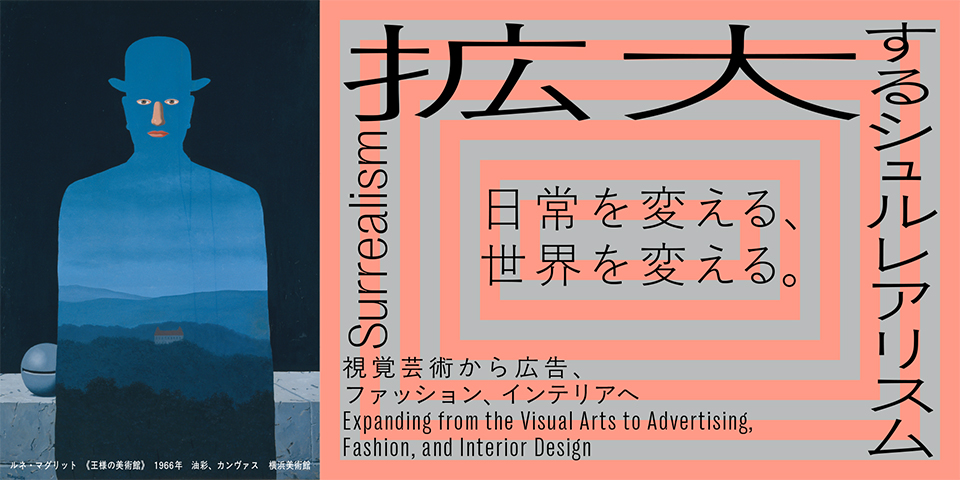
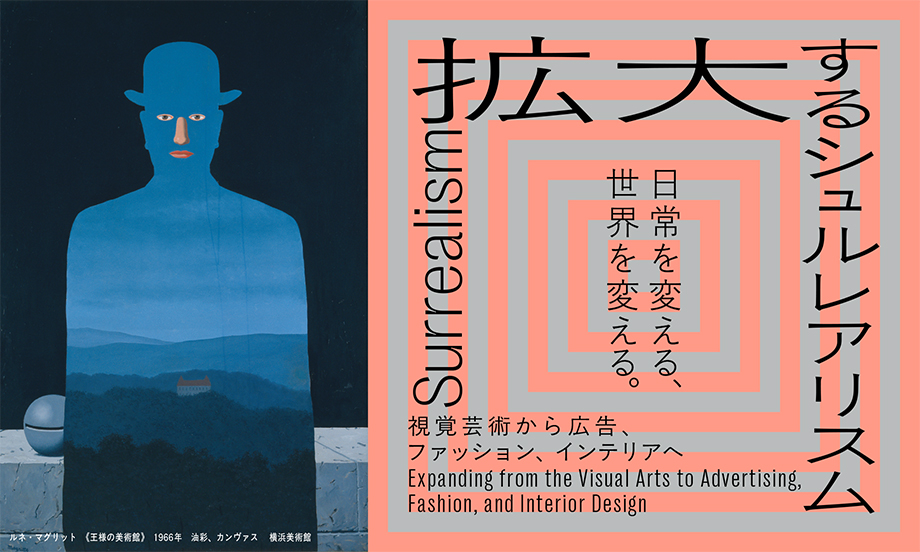
Surrealism: Expanding from the Visual Arts to Advertising, Fashion, and Interior Design
2025-12-13 – 2026-03-08
Summary
It is worth noting today, in particular, that surrealism influenced all of society, not just art. Today, about a century since the emergence of surrealism, this exhibition closes in on its essence, bringing together masterpieces from a variety of genres held in collections throughout Japan. The show aims to reconstruct an idea of surrealism, taking medium of expression as a keyword to dissect the movement that exerted an overwhelming presence, spreading to the visual arts, and by extension throughout society at large.
Information about the Exhibition
| Dates | December 13, 2025 – March 8, 2026 Closed on Mondays, December 30, December 31, January 1, January 13, February 24 (except January 12, February 23) |
|---|---|
| Open hours | 10:00 – 17:00 (last entry 16:30) |
| Venue | Nakanoshima Museum of Art, Osaka 4F Galleries |
| Organizer | Nakanoshima Museum of Art, Osaka |
| Special cooperation | Yokohama Museum of Art |
| Plannning cooperation | Curators Inc. |
| Admission fee | Adults: 1800 yen (groups 1600 yen) University / High school students: 1500 yen (groups 1300 yen) Junior high school / Elementary students: 500 yen (groups 300 yen) Member privileges (free admission, discounts) are available for this exhibition * Prices include tax. Group prices are for groups of at least 20 visitors. * Persons holding an official Disability Certificate are admitted for half the price of a same-day ticket (including one attendant). Apply at the ticket counter (2F) on the day. (No advance reservation required.) * Certification of eligibility for special rates must be presented before admission for all except regular adult rates. * For this exhibition, regular adult rates apply to Osaka residents aged 65 or older. * The museum may close without notice in the event of disasters or other circumstances beyond our control. |
Highlights
1. Surrealism was not limited to the art world! In addition to artistic media such as objets, painting, and photography, surrealism expanded into areas of daily life, including advertising, fashion, and interior design. The six sections of this show trace how surrealism changed and developed, examining areas other than the visual arts that have had fewer opportunities to undergo serious examination.
2. Bringing together masterpieces of surrealism! The show brings together masterpieces of surrealism by Salvador Dalí, Max Ernst, René Magritte, and other leading surrealist artists. Of particular note is the fact that The Museum of the King by René Magritte, housed in Yokohama Museum of Art's collection, is coming to Osaka. It will brighten our gallery together with another work featuring the artist's bowler hat motif, Le Bouquet Tout Fait (The Ready-made Bouquet), one of the prominent works in the collection of Nakanoshima Museum of Art, Osaka.
3. Fashion and surrealism—Elsa Schiaparelli Elsa Schiaparelli worked closely with surrealist artists. The show presents a wide range of Schiaparelli works, such as her iconic shocking pink Evening Dress (Circus Collection) held in the collection of the Iwami Art Museum, as well as perfume bottles and jewelry with her distinctive designs.
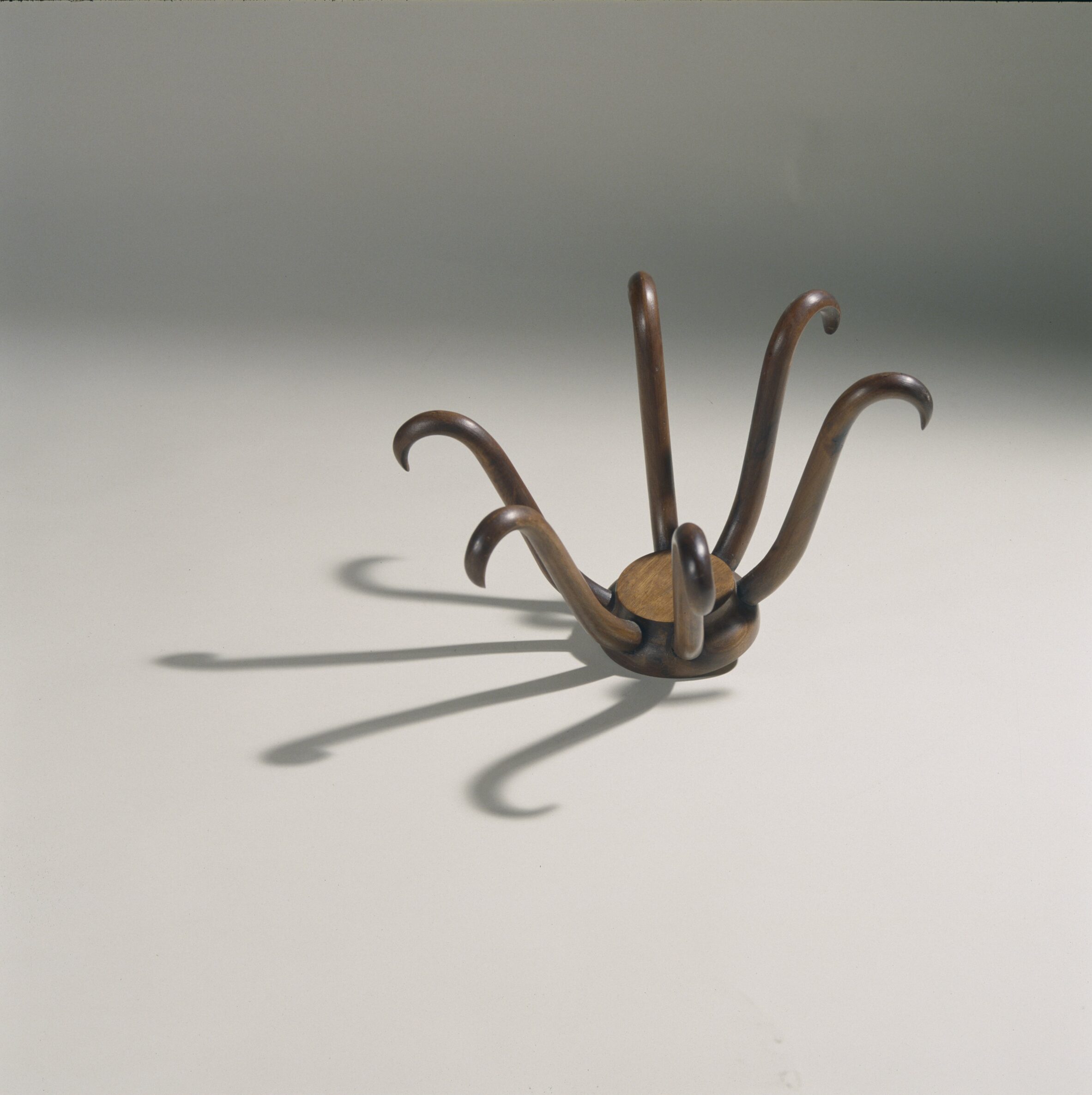
Marcel DUCHAMP
Hat Rack
1917 / 1964 (Schwarz ed. 6/8)
The National Museum of Modern Art, Kyoto© Association Marcel Duchamp / ADAGP, Paris & JASPAR, Tokyo, 2025
G3872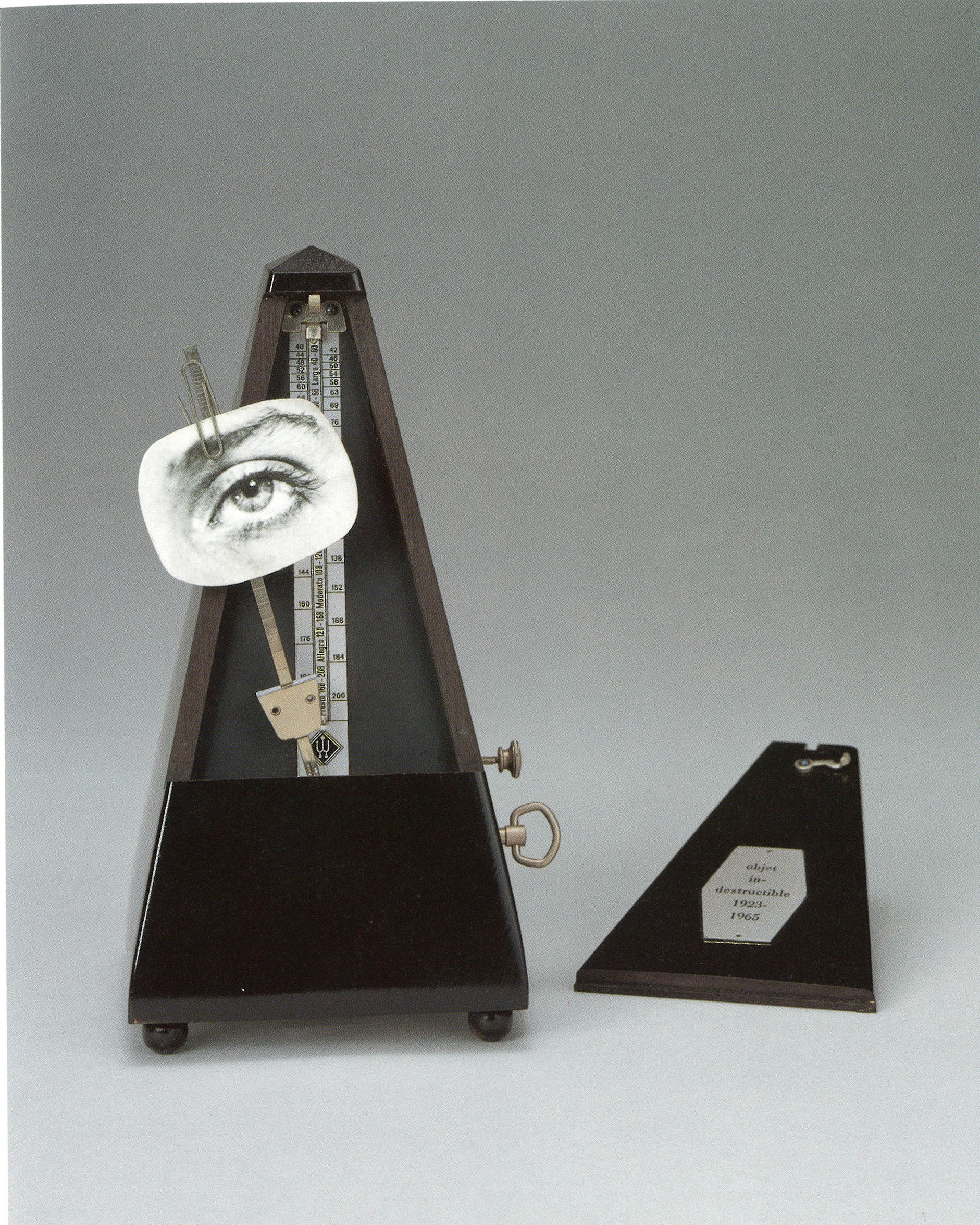
Man RAY
Indestructible Object
1923 / reproduced in 1965 (ed. 79/100)
Yokohama Museum of Art© MAN RAY 2015 TRUST / ADAGP, Paris & JASPAR, Tokyo, 2025
G3872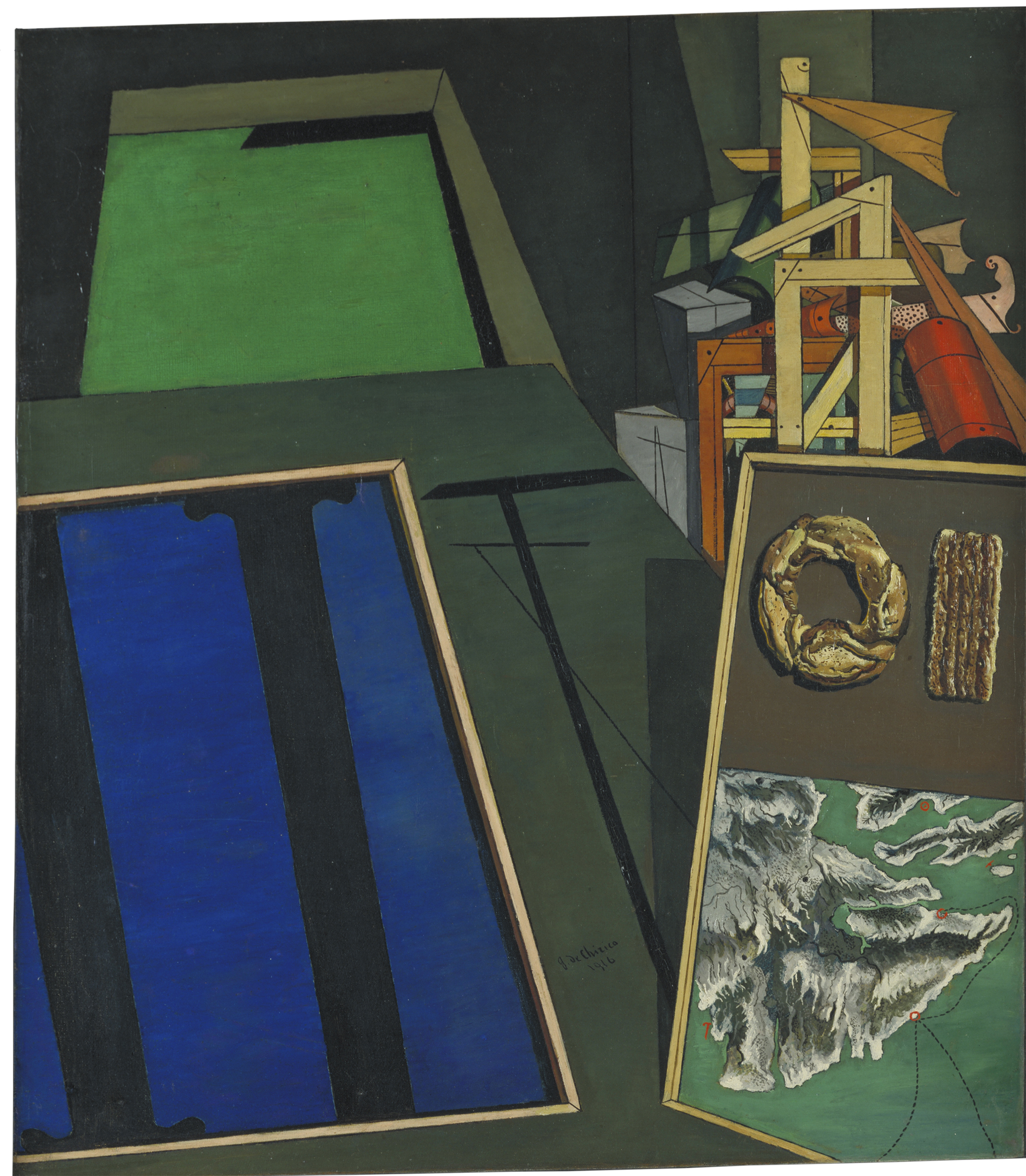
Giorgio DE CHIRICO
Evangelical Still Life I
1916
Nakanoshima Museum of Art, Osaka© SIAE, Roma & JASPAR, Tokyo, 2025
G3872
Sections
Section 1. Objets: The Relationship Between the Objective and Hyper-Reality
Surrealism exposes that which is surreal, that of a superior reality, among the things that we view as being assuredly real. The door to surrealism is opened by way of the objets of surrealists who dealt with the surreal by viewing phenomena as objects (objets in French).
-
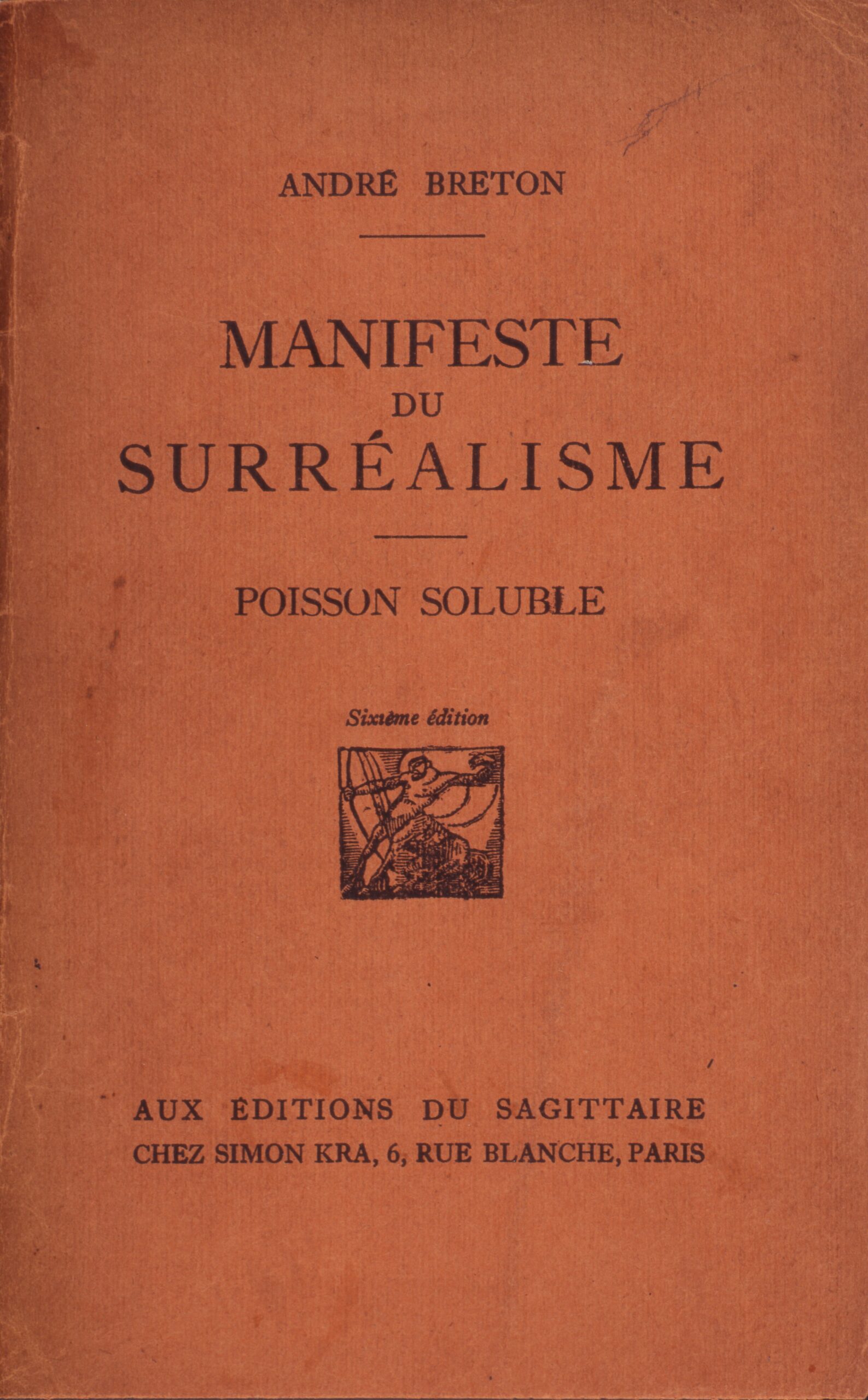
André BRETON
Manifeste du surréalisme. Poisson soluble [Surrealist Manifesto, Soluble fish] (First edition)
1924
Okazaki City Museum -
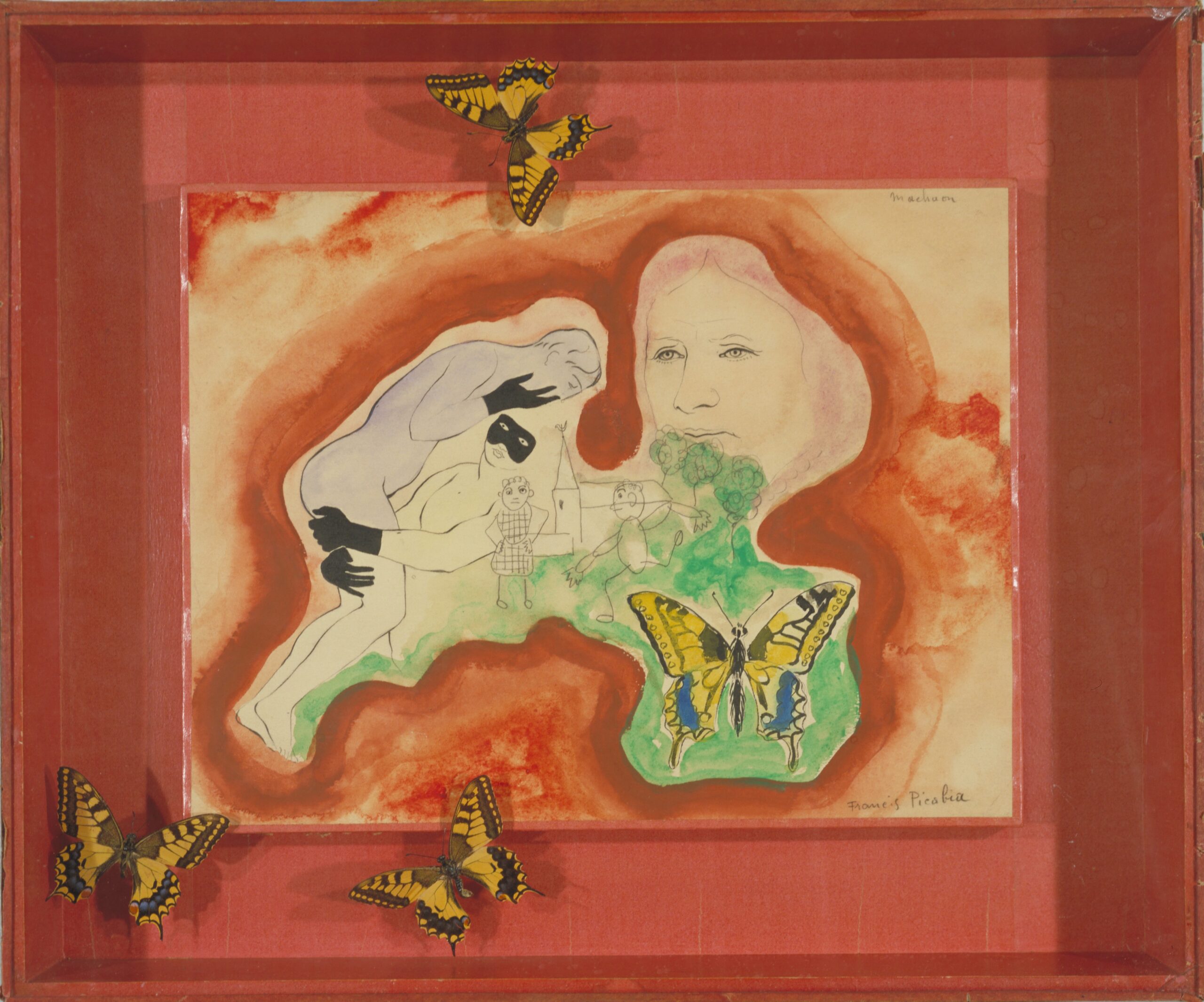
Francis PICABIA
Yellow Swallowtail
1926
Nakanoshima Museum of Art, Osaka
Section 2. Painting: A New Door to the Visual Arts
Surrealism, which had its origins in the literary experimentation of automatism, spread to the field of painting, which had long traditions. Artists such as Max Ernst, René Magritte, Paul Delvaux, and Salvador Dalí used their very distinctive styles and techniques to depict mysterious scenes and images of people that reflected the deep psyches and dreams of humanity.
-
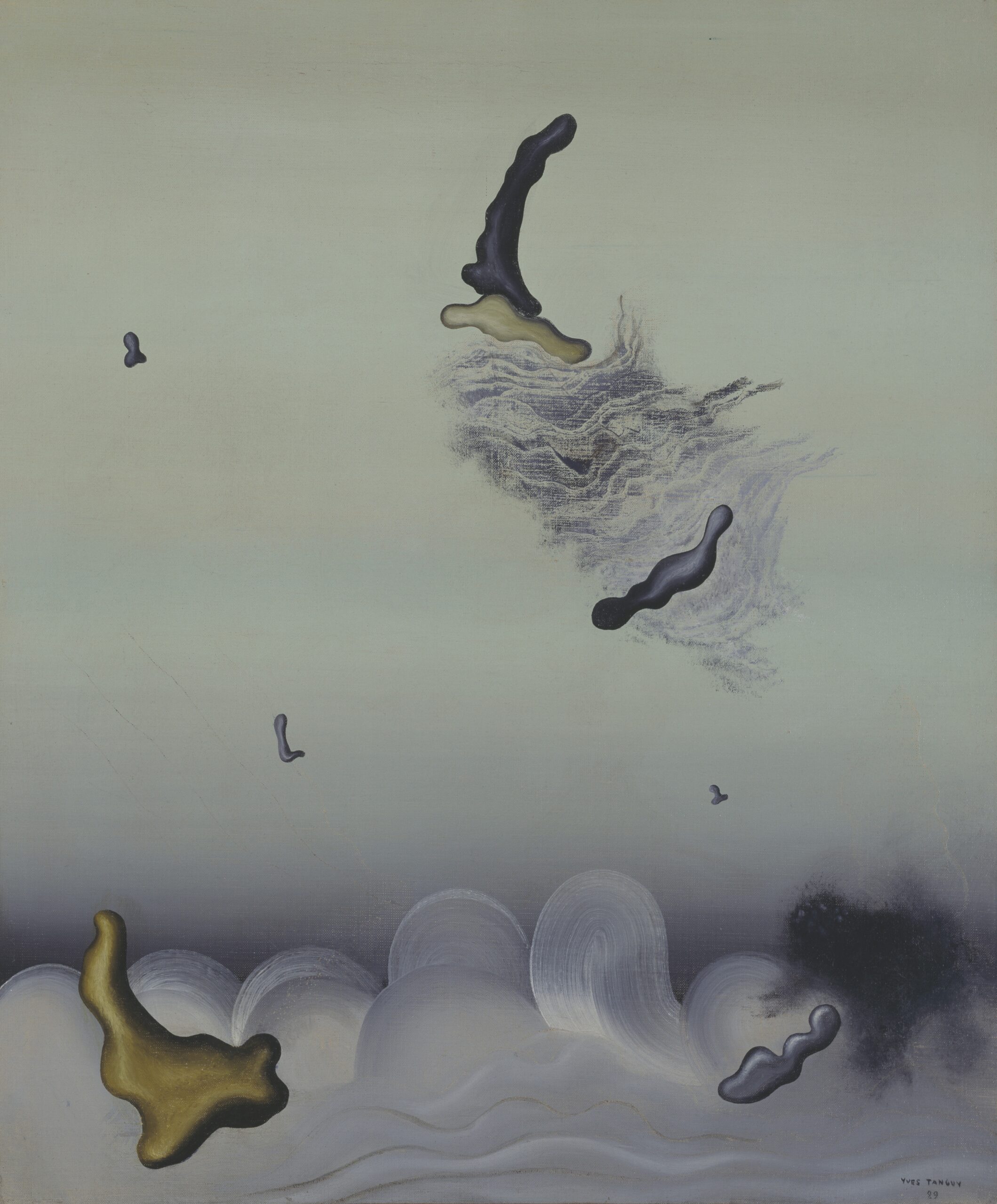
Yves TANGUY
The Lost Bells
1929
Toyota Municipal Museum of Art -
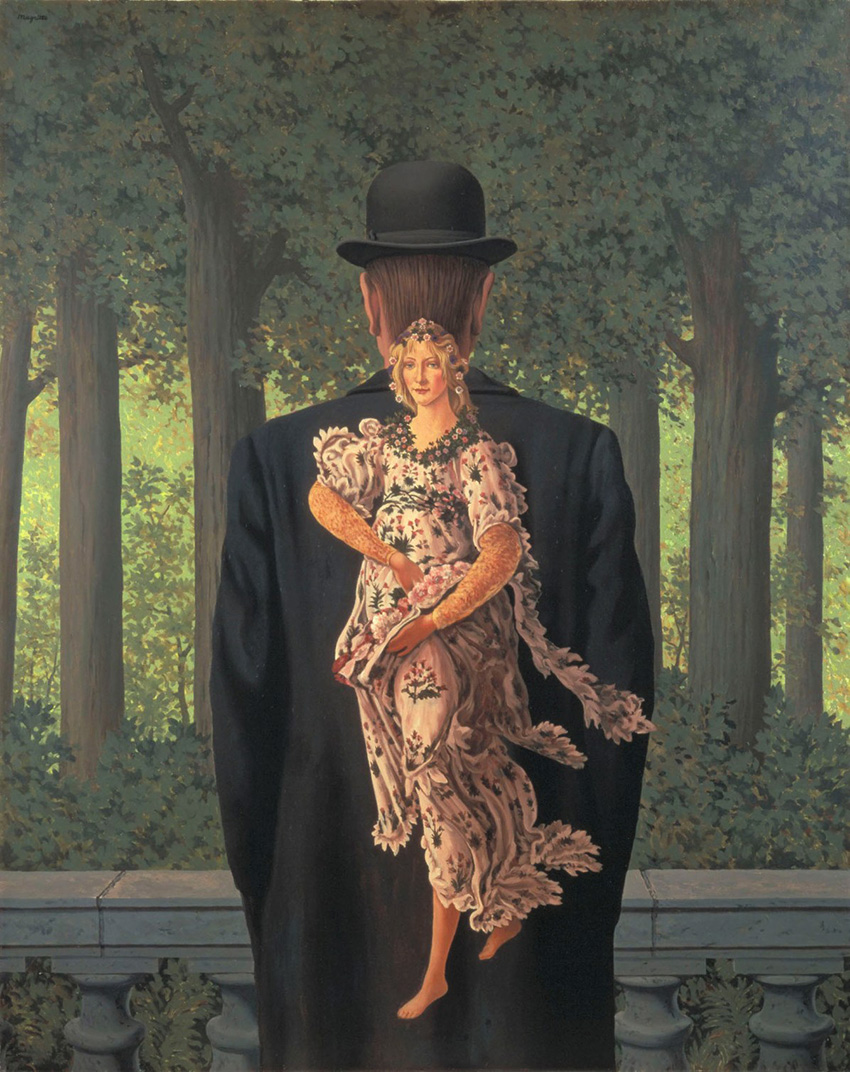
René MAGRITTE
The Ready-made Bouquet
1957
Nakanoshima Museum of Art, Osaka
Section 3. Photography: Images That Transform
The technology of photography that emerged in the first half of the nineteenth century would go on to transcend its original aim of capturing the subject as is, becoming one of the main forms of expression that would add flair to the art of the twentieth century. Making free use of a wide range of techniques, surrealists transformed everyday motifs into images that were novel and mysterious. Artists throughout the world, most notably Man Ray, expressed themselves through various forms of photographic art.
-
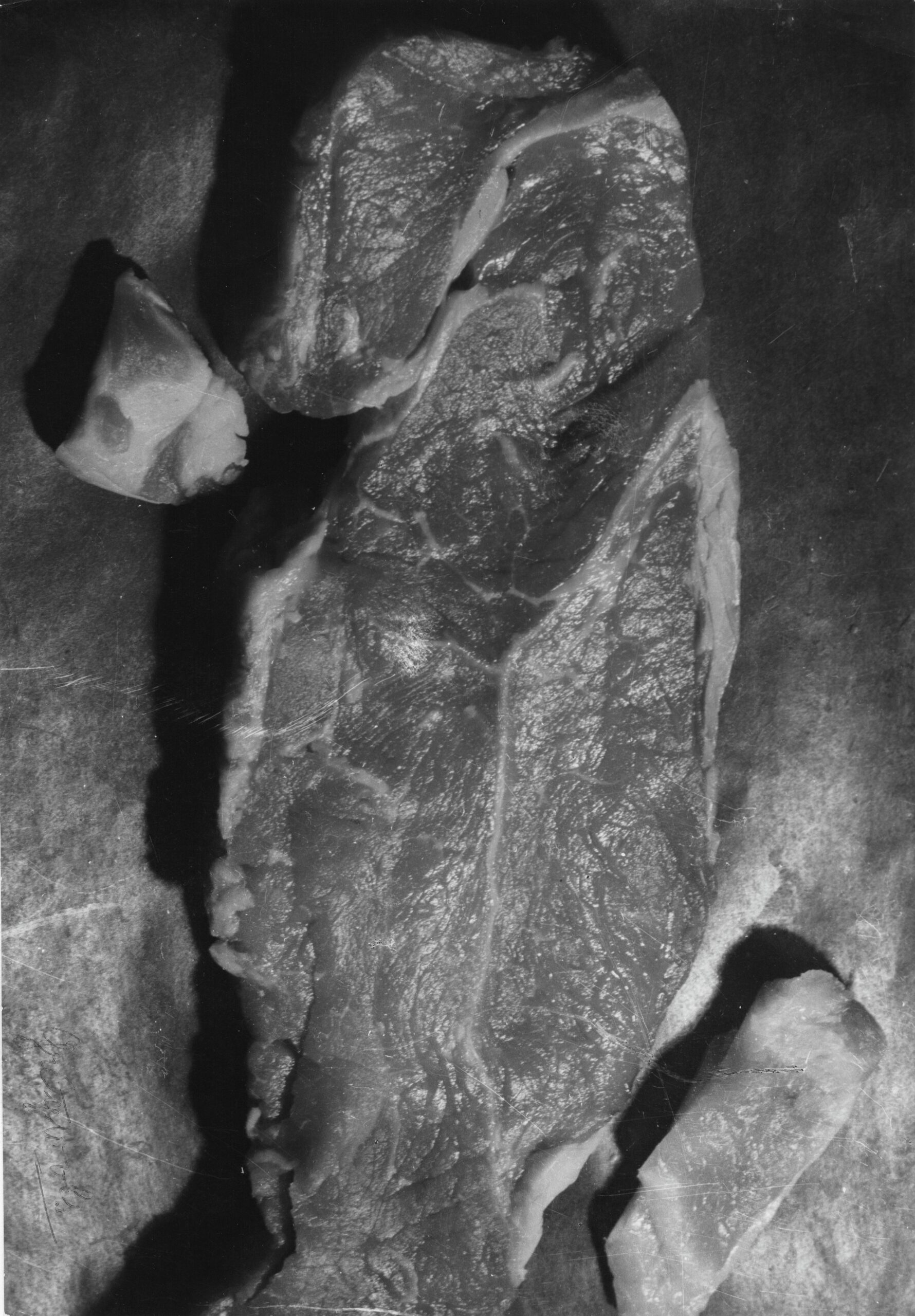
Wols
A Beautiful Slice of Meat
1939
Private Collection
Section 4. Advertising: Compositions That Function
The theme of this show is surrealism's expansion into other fields. Starting with Section 4, the show expands its perspective to include areas beyond objets, photography, and painting. This section focuses on very appealing advertising in which artists employed techniques frequently utilized in surrealism, such as dépaysement, collage, and photomontage.
-
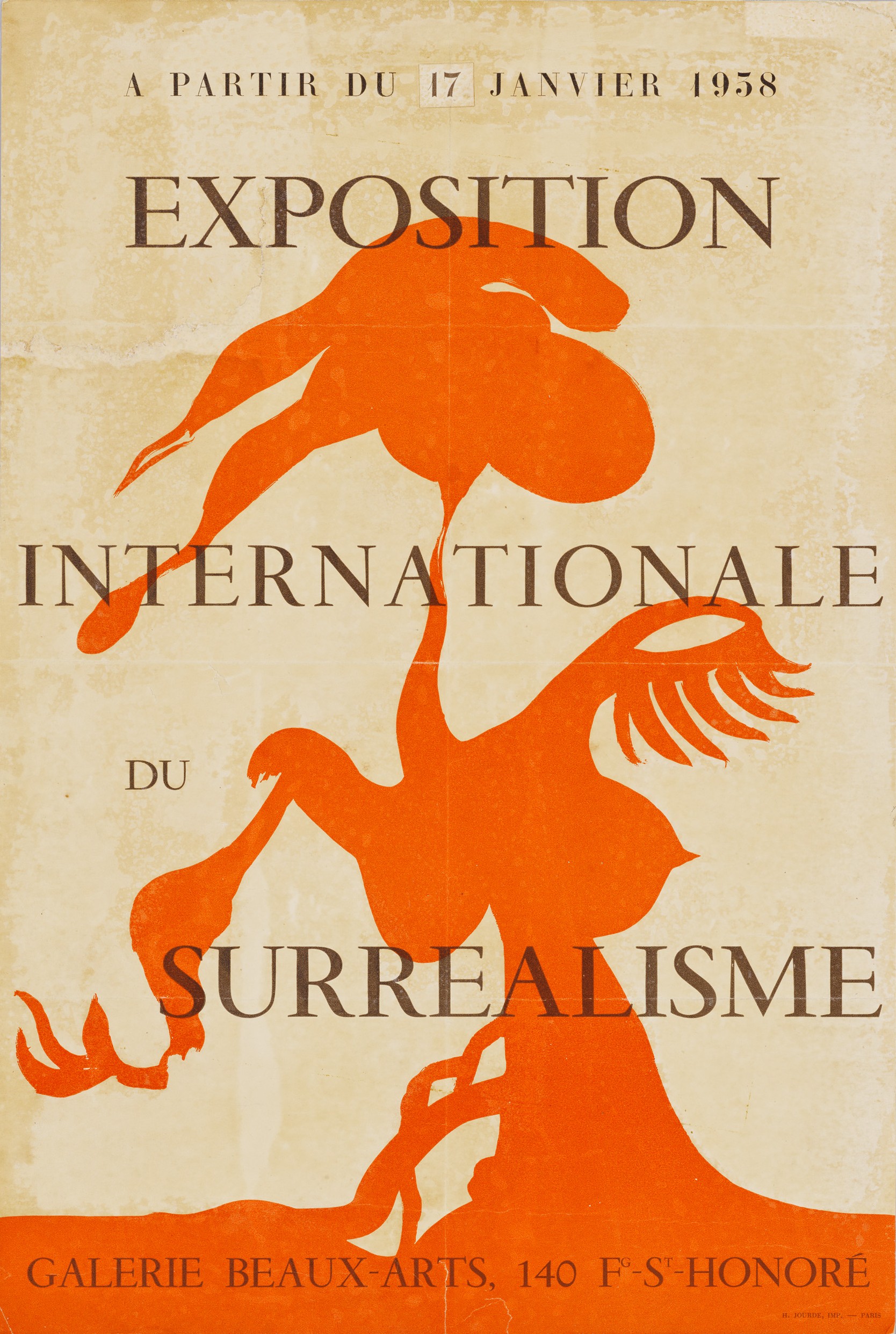
Kurt SELIGMAN
Poster: Exposition Internationale du Surréalisme [International Exhibition of Surrealism]
1938
Suntory Poster Collection (deposited in Nakanoshima Museum of Art, Osaka)
(on display starting January 27, 2026) -
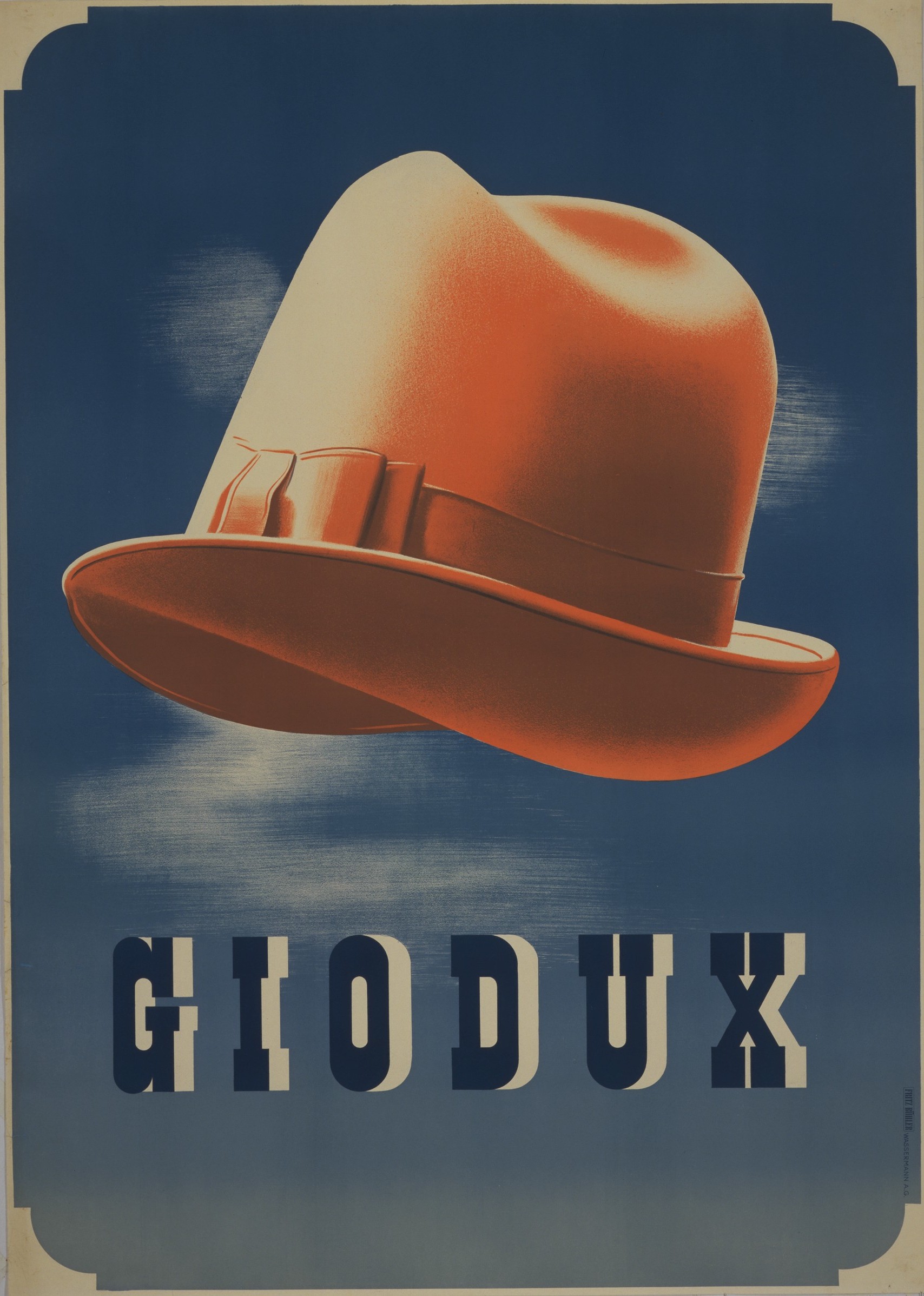
Fritz BÜHLER
Poster: Giodux
1934
Utsunomiya Museum of Art
(on display starting January 27, 2026)
Section 5. Fashion: Arousing Desire
Surrealism was closely associated with fashion. In addition to utilizing surrealist techniques in fashion and fashion magazines, surrealist artists drew inspiration from the objectification of the bodies of mannequins that wore clothing. This section explores the relationship between fashion and surrealism.
-
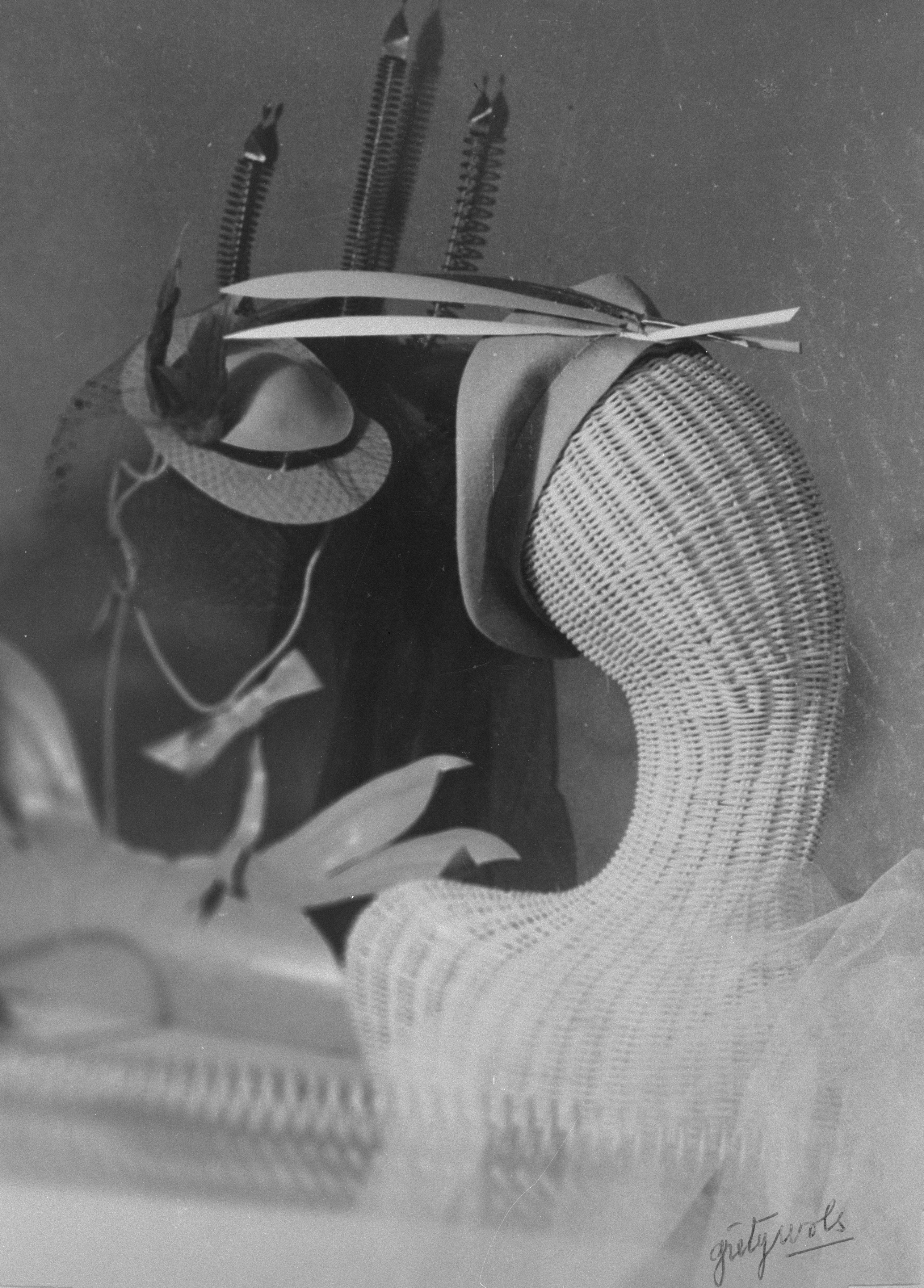
Wols
Untitled
1937 (printed in 1979)
Yokohama Museum of Art
(on display starting January 27, 2026) -
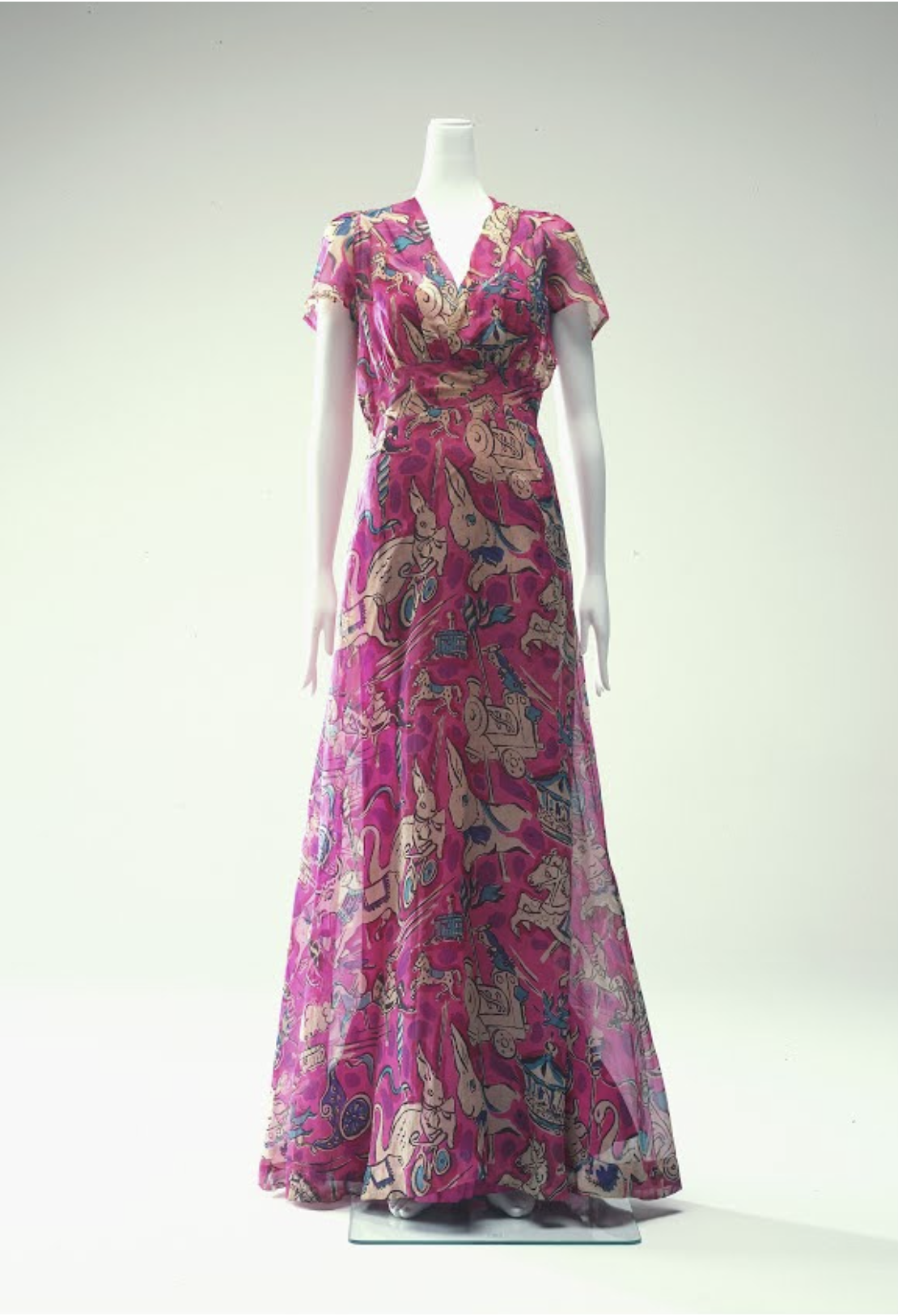
Elsa SCHIAPARELLI
Evening Dress (Circus Collection)
1938
Iwami Art Museum
(on display until January 25, 2026)
Section 6. Interiors: Transforming Interior Spaces
For surrealism, which aimed to be discomforting and shake people's view of reality, overturning the stable order of interior spaces in which daily life occurred was very meaningful. Even indoor furniture was transformed into strange objects with organic features. This section presents examples of how surrealism became involved in interior spaces.
Works
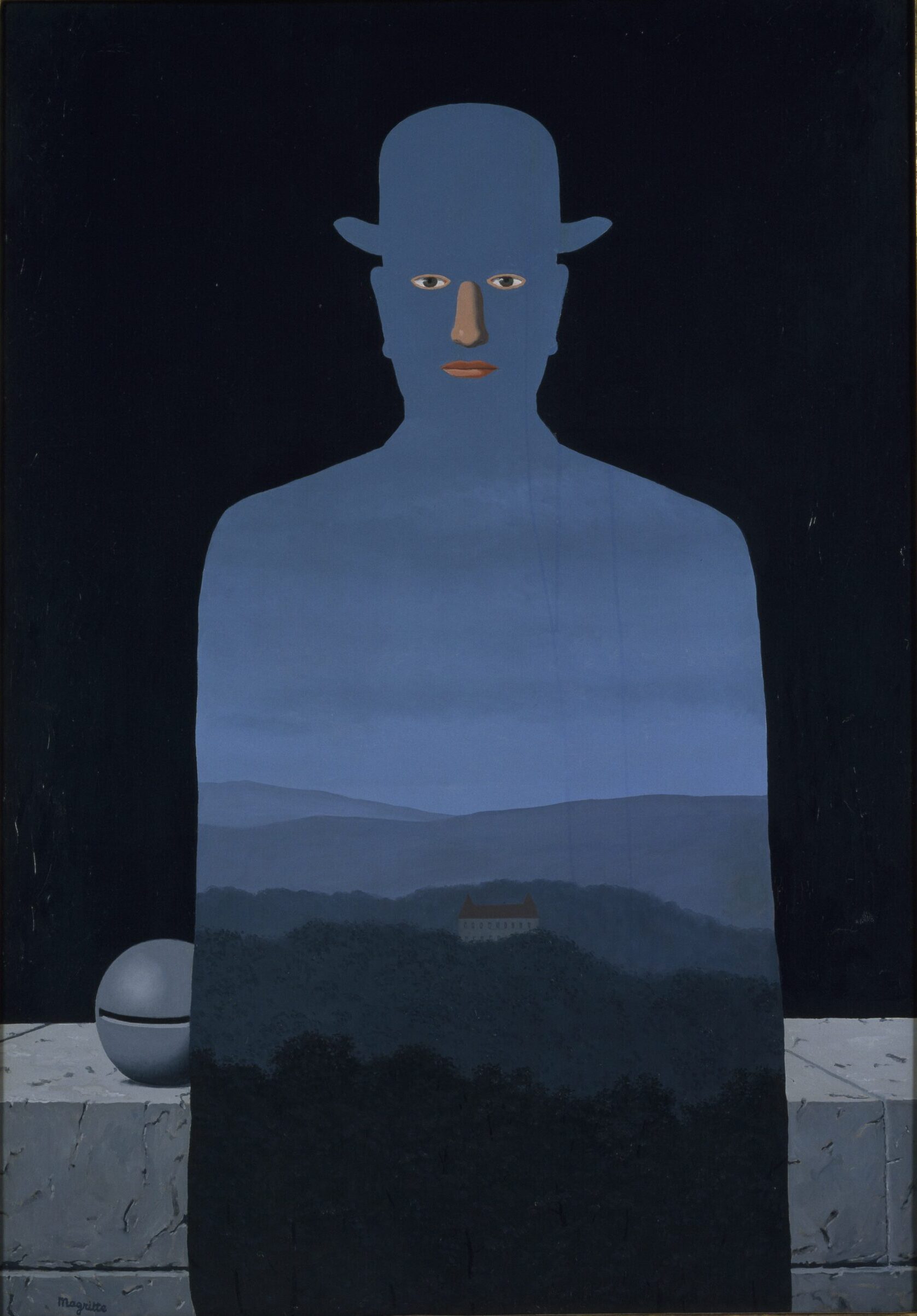
René MAGRITTE
The Museum of the King
1966
Yokohama Museum of Art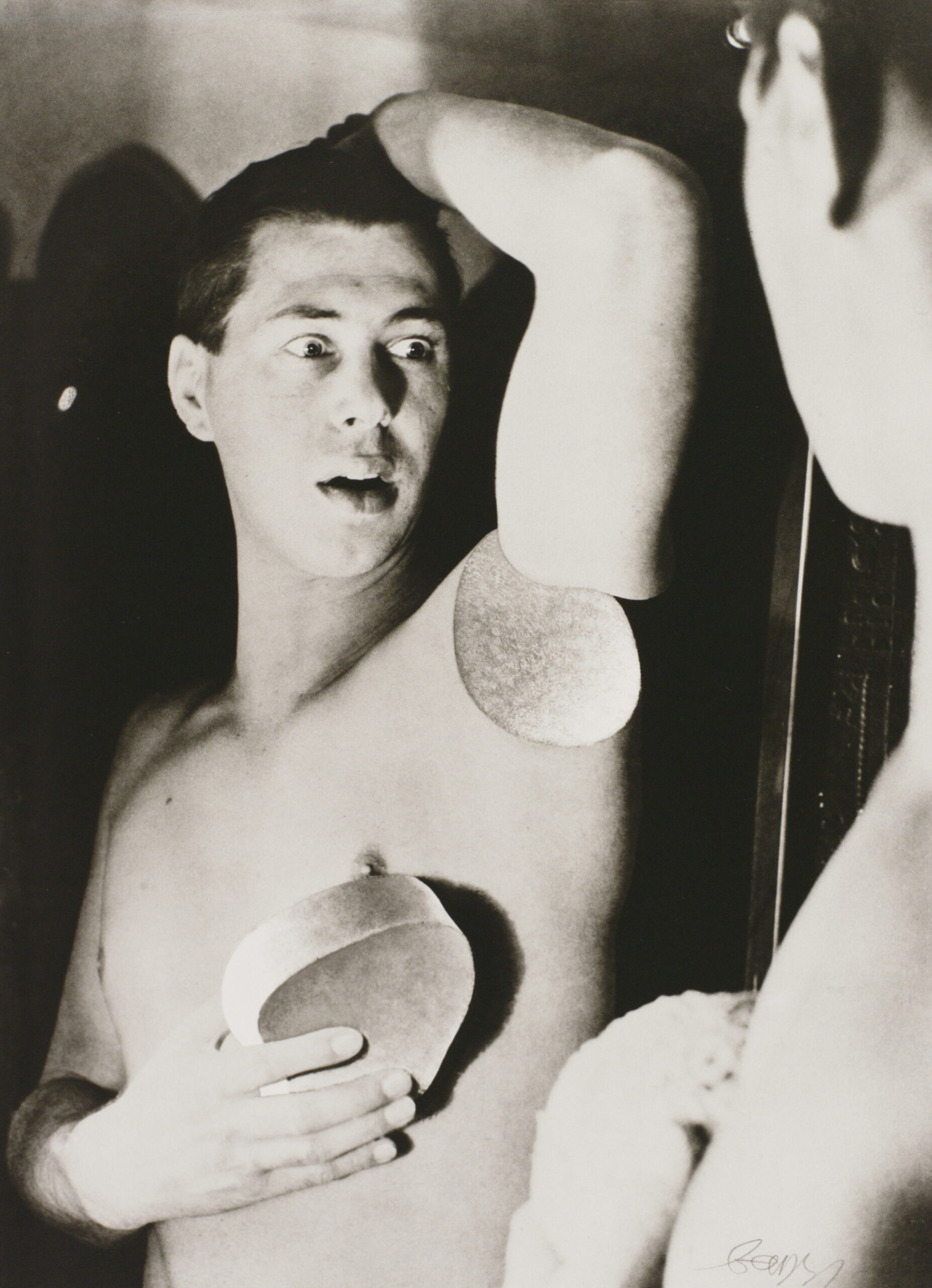
Herbert BAYER
Self-Portrait
1932
Tokyo Photographic Art Museum
(on display until January 25, 2026)© VG BILD-KUNST, Bonn & JASPAR, Tokyo, 2025
G3872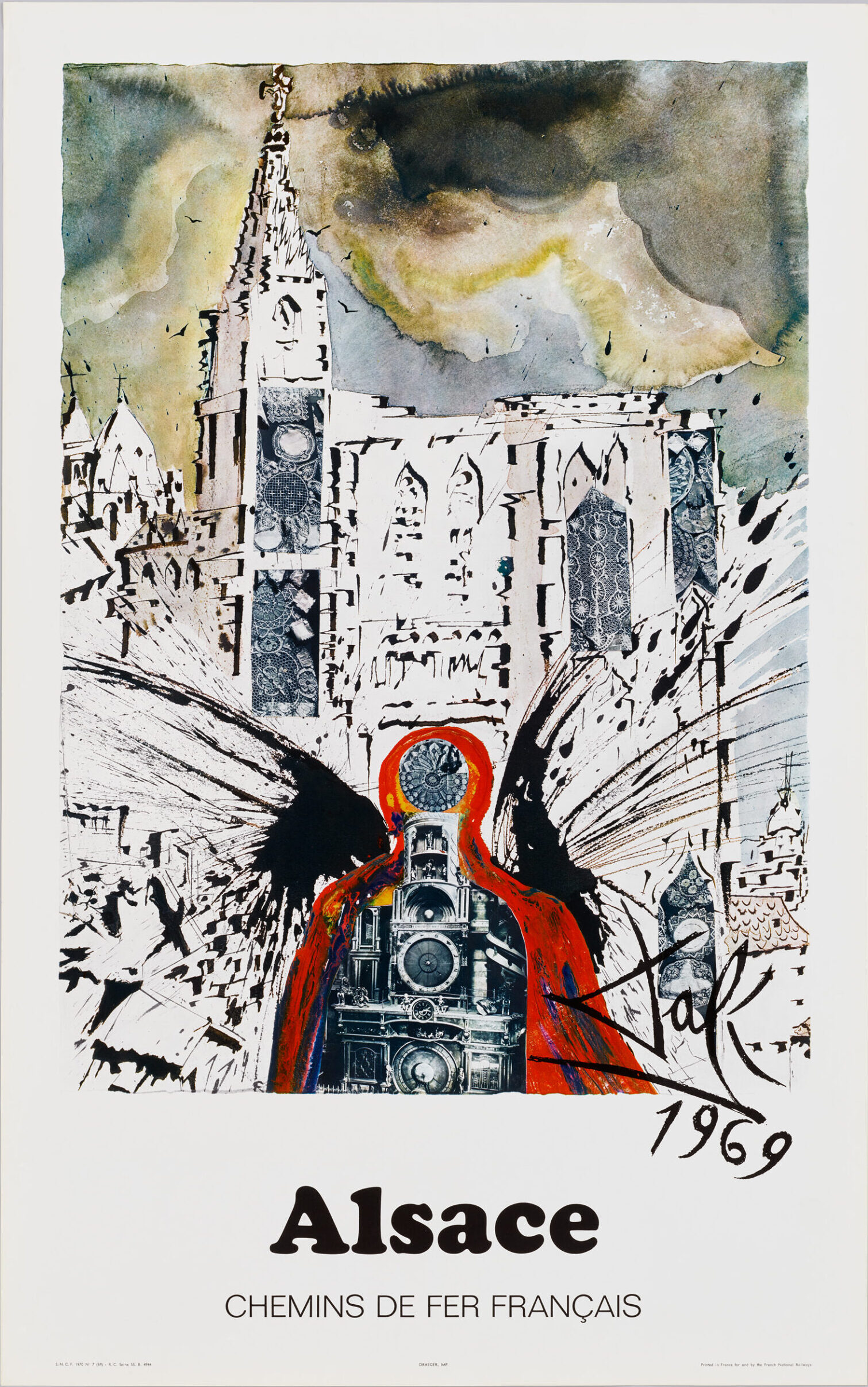
Salvador DALÍ
Poster: Alsace, Chemins de fer français [Alsace, French Railways]
1969
Suntory Poster Collection (deposited in Nakanoshima Museum of Art, Osaka)
(on display starting January 27, 2026)© Salvador Dalí, Fundació Gala-Salvador Dalí, JASPAR Tokyo, 2025
G3872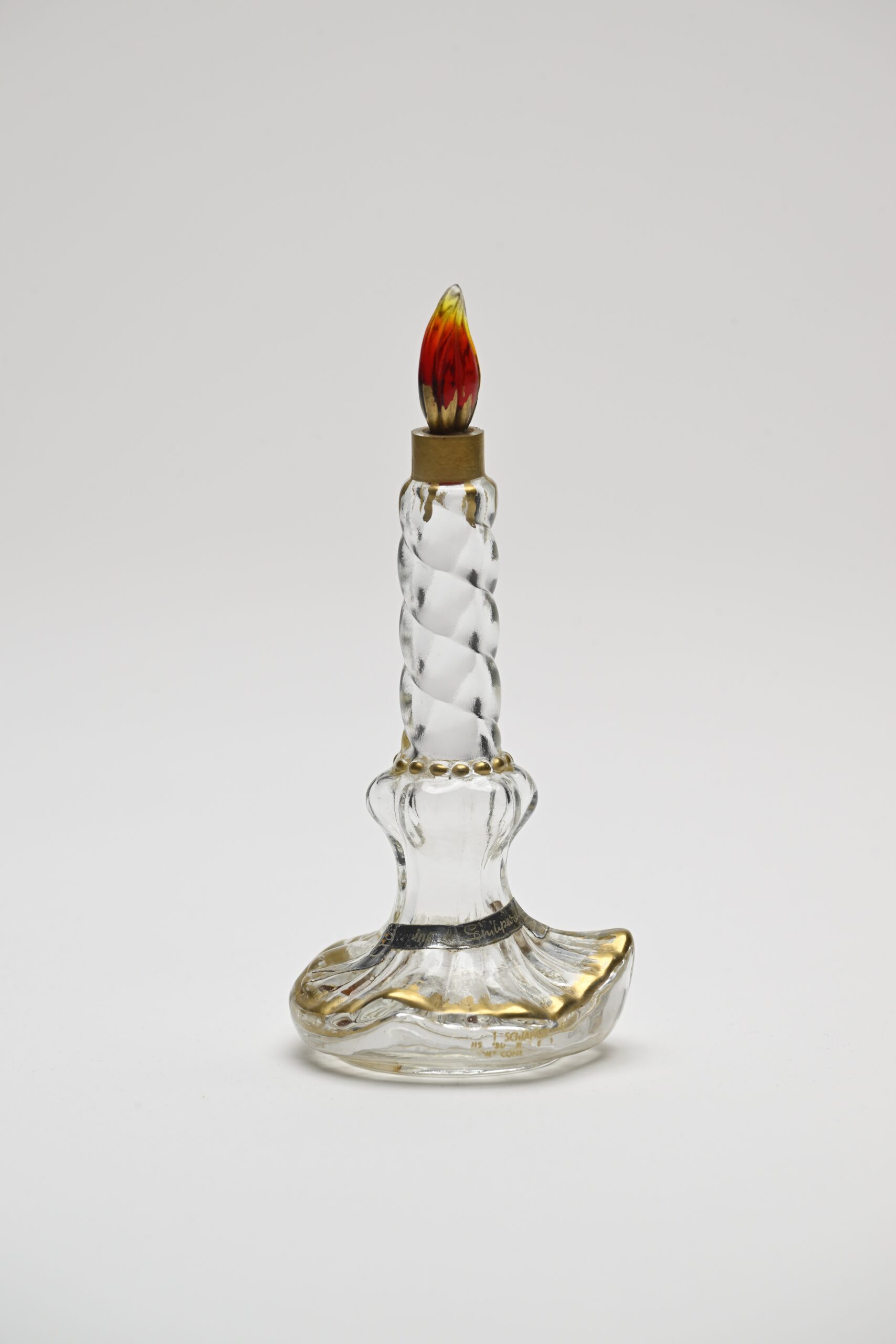
Elsa SCHIAPARELLI
Perfume Bottle Sleeping
1938
Pola Museum of Art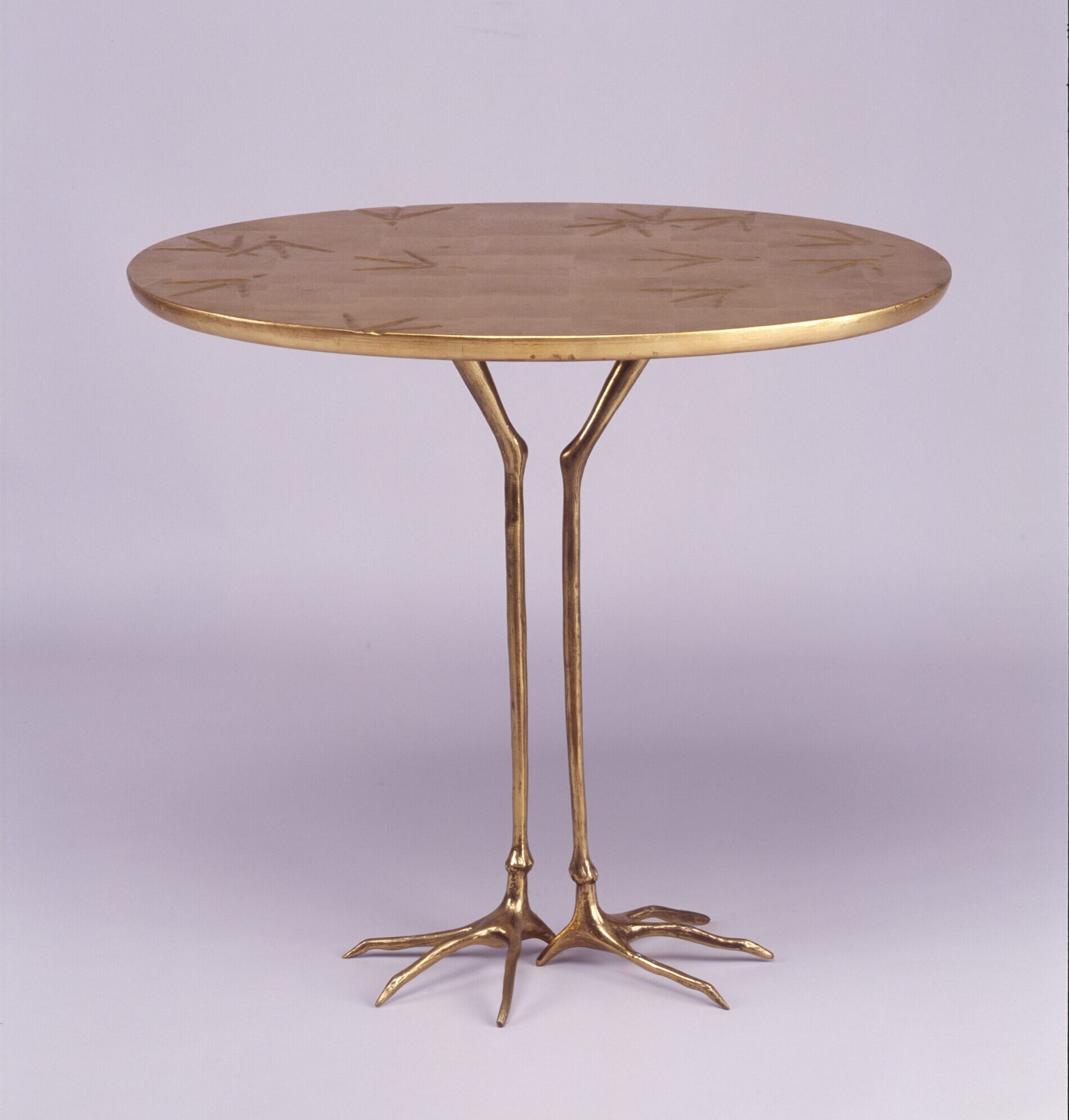
Meret OPPENHEIM
Table with Bird Legs
1939 / 1983
Okazaki City Museum© 2025 by ProLitteris, Zurich & JASPAR, Tokyo
G3872